INTRODUCTION
The Origin of the Voices
It all began with a walk across a dry plain during Holy Week. The Explorer carried a question that was not new, but that felt urgent that day: How can Mexico move through so many dimensions at once?
There they were, visible from the barren land: the procession of silence—a medieval inheritance—with pre-Hispanic dancers at its head. A country nostalgic for Porfirio while invoking the Cristeros. A nation that wants to be modern while its markets smell of copal and its politicians of the viceroyalty.
Then came the more dangerous question: What if the multiverses are not out there, among Pleiadians and quantum dimensions, but here, on this very ground beneath my feet?
The Explorer summoned the authors. Not so they would answer—the answer was not the point—but so they could ask with him.
Sabines spoke first: “Multiverses are poetry. But I want God in my bed, sleepless and feverish.”
José Agustín smiled: “Reality is a well-staged hallucination. If Pleiadians exist, they are surely listening to rock and drinking beer on another plane.”
Unamuno shouted from Spain: “I do not want new heavens; I want my soul not to die!”
Jung whispered: “Pleiadians are archetypes of the collective unconscious. What matters is not whether they exist ‘out there,’ but whether they exist within you.”
Dussel returned the question to the earth: “And the Other? Where is the real, oppressed body while you float through cosmic theories? All metaphysics without ethics is an evasion.”
It was there, at the crossing of those voices, that the Explorer understood: Mexico itself is the multiverse. There is no contradiction between the cross and science, between clay and star. There is simultaneity.
THE SEED
The Song of the Mockingbird
The next question arrived as an image: What would Nezahualcóyotl write if he walked along Eje Central today?
And the first song was born:
Am I still alive,
when the mockingbird sings from the electric wire,
and the flower no longer rises from the maguey
but from asphalt bleeding smoke?
I have seen cars run
like jaguars without souls,
while men—burden bearers of sorrow—
carry sacks of broken days
along avenues that no longer remember the river.
At the feet of the neighborhood nahual,
empty beer bottles sleep
beside the lukewarm dreams of boys
who wanted to fly
but were sold wings made of plaster.
From that song came the Bestiary of Multiversal Mexico: urban creatures carrying the voices of ancient gods. The Periférico Lizard speaks with Huitzilopochtli’s voice. The Drainage Toad sings like Coatlicue. The Minibus Nahual drives between worlds.
THE COUNCIL
Those Who Still Sing
But the creatures needed guardians. Figures who could accompany and name them, giving them historical weight.
Thus the Council of Voices of Multiversal Mexico was summoned:
Nezahualcóyotl, the fasting coyote, linked to the Viaduct Mockingbird.
Rosario Castellanos, the wound that writes, companion of the Broken-Glass Butterfly.
El Nigromante, lightning of judgment, brother to the Three A.M. Rooster.
La Güera Rodríguez, sacred transgressor, ally of the Minibus Nahual.
Vicente Guerrero, the machete of the word, guardian of the Broken-Traffic-Light Dog.
Rodolfo Neri Vela, who saw the homeland from the firmament.
Juan O’Gorman, the tragic builder, accomplice of the Periférico Lizard.
Each spoke from their own time. Each offered an original voice and a word from the present.
THE ENCOUNTER
When Times Touch
Then came the boldest question: What would happen if these voices met the gods who preceded them?
Not as metaphor. As a real dialogue between dimensions.
Thus were born the encounters that accompany these images:
RODOLFO NERI VELA AND HUITZILOPOCHTLI
The astronaut and the sun that wages war to be born

—Do you seek the light? —Huitzilopochtli
—I understand it better from a distance. Not to worship it, but to respect it. —Neri Vela
Both laugh. Science and myth do not confront one another: they turn together. And orbit becomes ceremony.
JUAN O’GORMAN AND TLACAÉLEL
The architect of concrete and the architect of myths
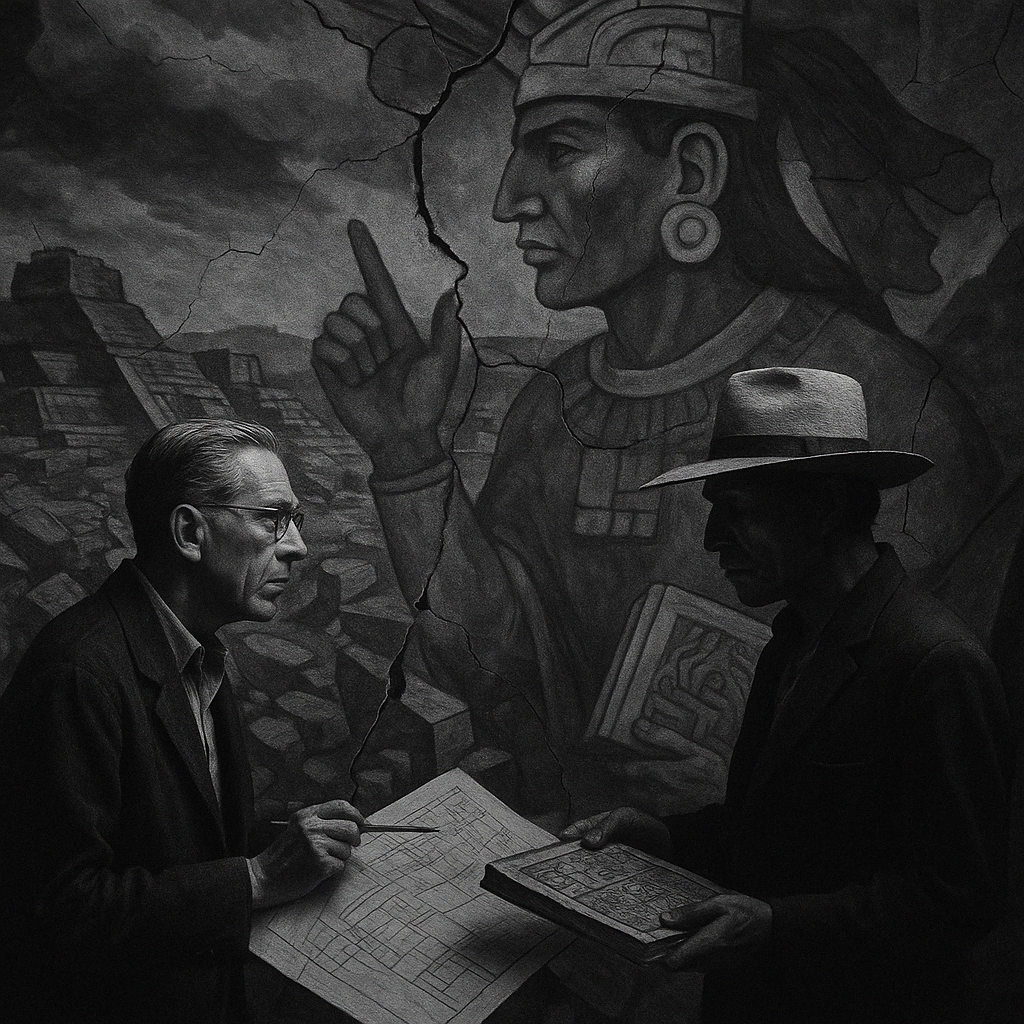
—You created empires with myths? —O’Gorman
—And you, houses for human gods? —Tlacaélel
Both understand that every stone carries an intention. And every story, a hidden architecture.
Together they discuss the plans for the future. With more cracks, but more trees. Concrete, too, can sprout if it is watered with truth.
JESUSA PALANCARES AND ITZPAPÁLOTL
She who resisted without asking forgiveness and the butterfly that cuts
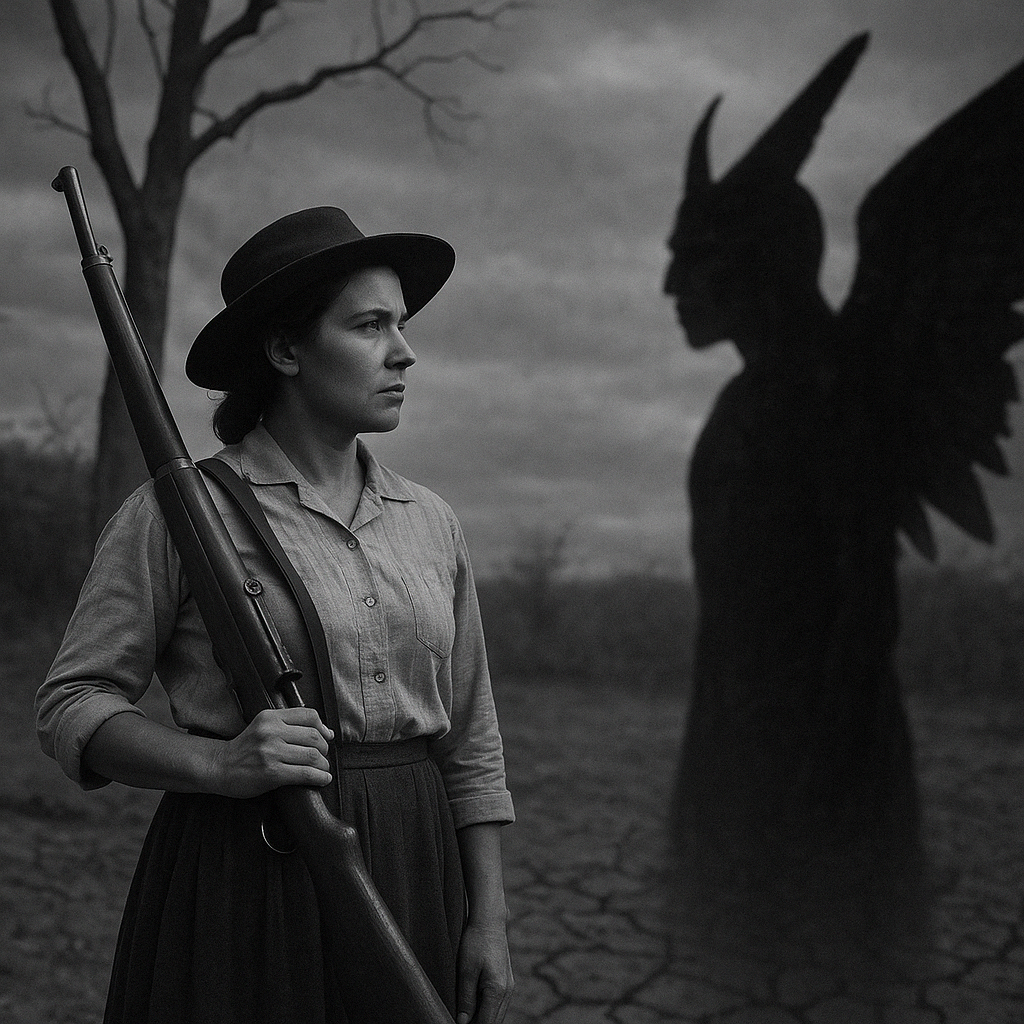
—I did not come to pray. I came to resist. —Jesusa
—Do you think flying hurts less than marching? —Itzpapálotl
Both know that war takes place in the body. In the kitchen. In the trench. In the word left unsaid.
With the wink of a blade, they take their leave knowing that fury, too, is an inheritance.
LA GÜERA RODRÍGUEZ AND INDIGENOUS MEMORY
When two worlds look at one another without blinking
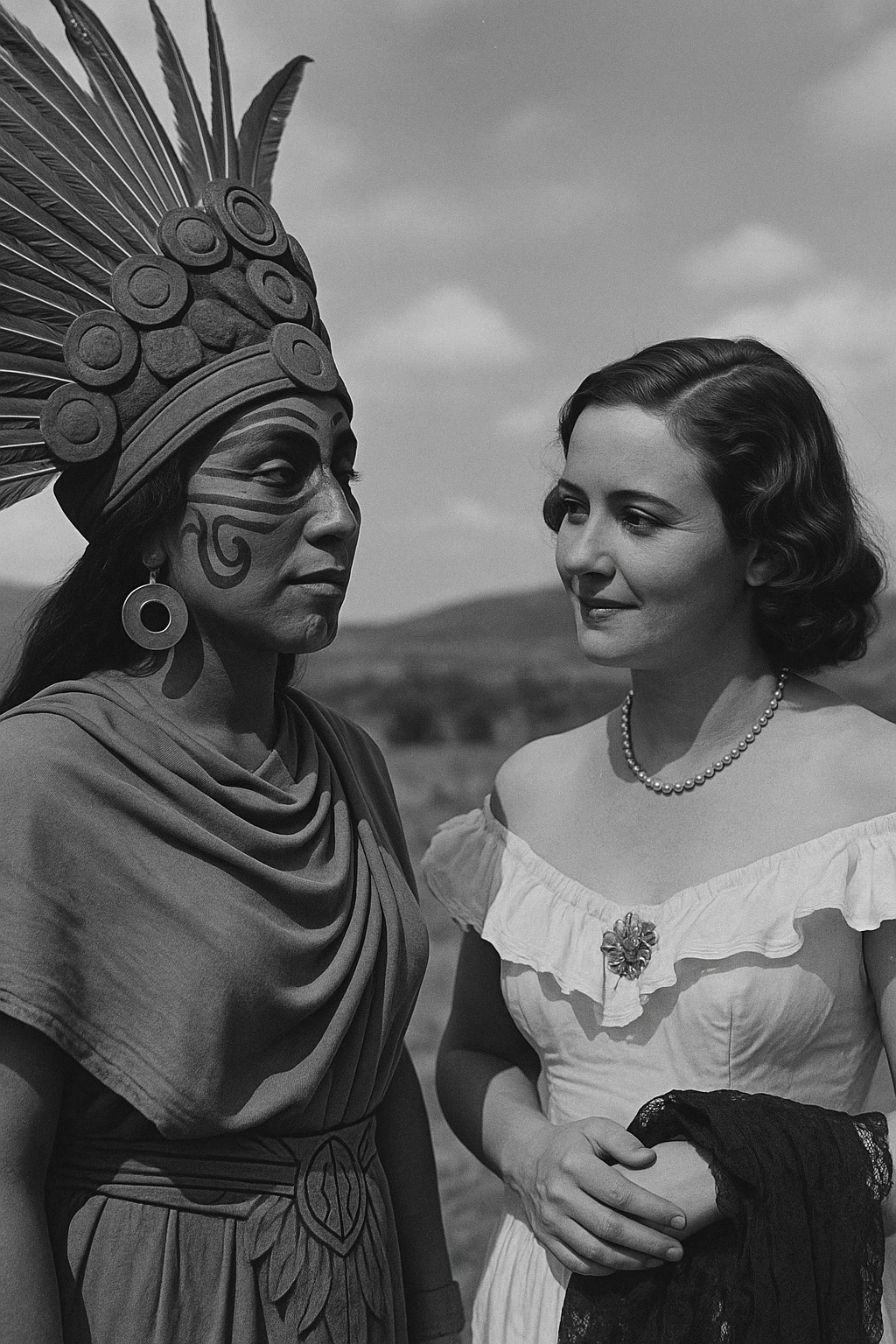
—They say I betrayed my race. —La Güera
—Which race? Every blood runs through you. —The ancient voice
The encounter is not an accusation. It is recognition. In the mirror, both see the same divided country.
THE ZÓCALO DANCER AND HUITZILOPOCHTLI
The urban warrior and the sun that demands movement
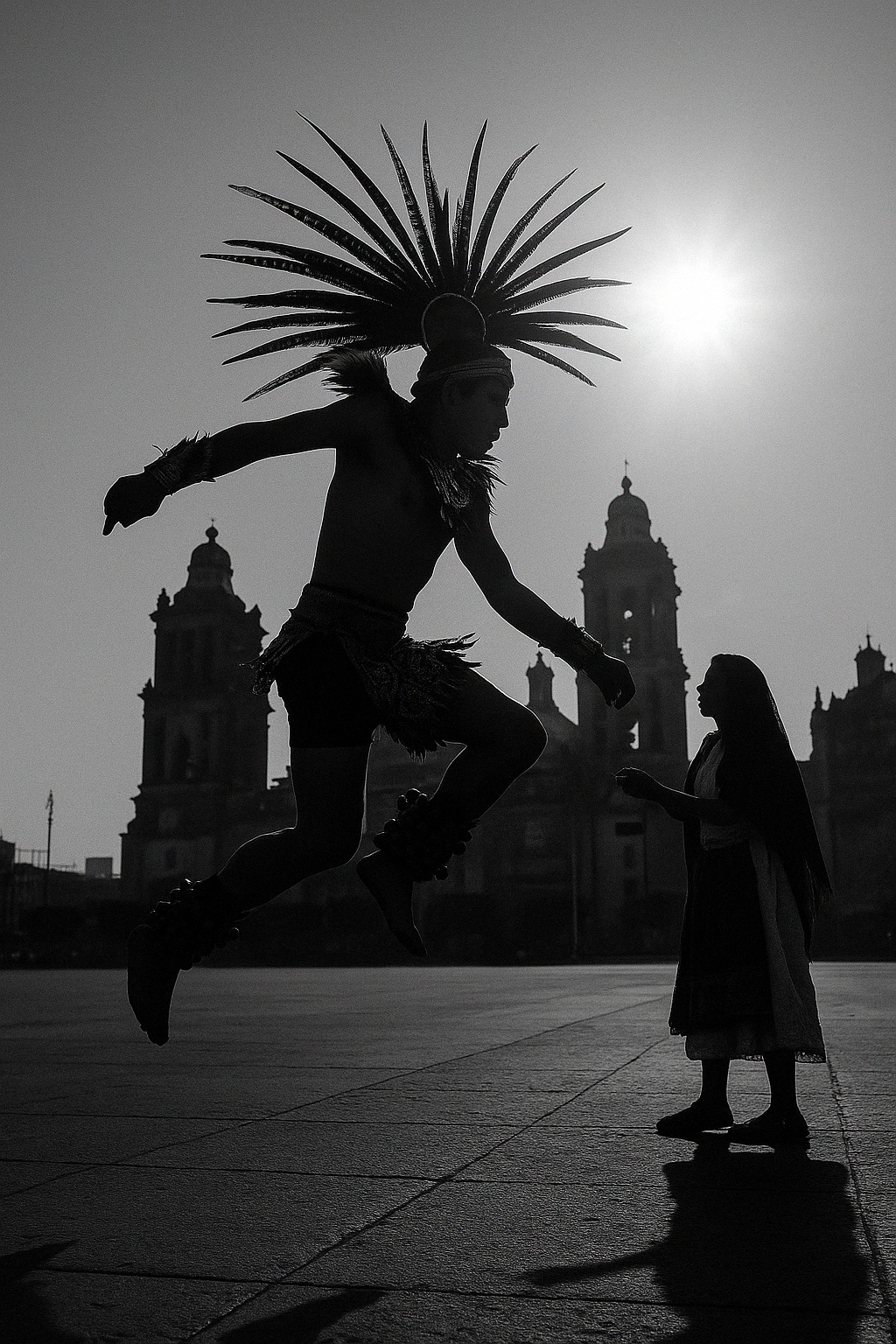
—Whom do you summon with your drum? —Huitzilopochtli
—You. But also those who will come. —The dancer
The god smiles. The dancer does not ask for fire; he creates it. Each strike on the conch is a promise that the city still has a heart.
THE MIGRANT MOTHER AND TONANTZIN
She who walks with children, and she who gave birth to suns
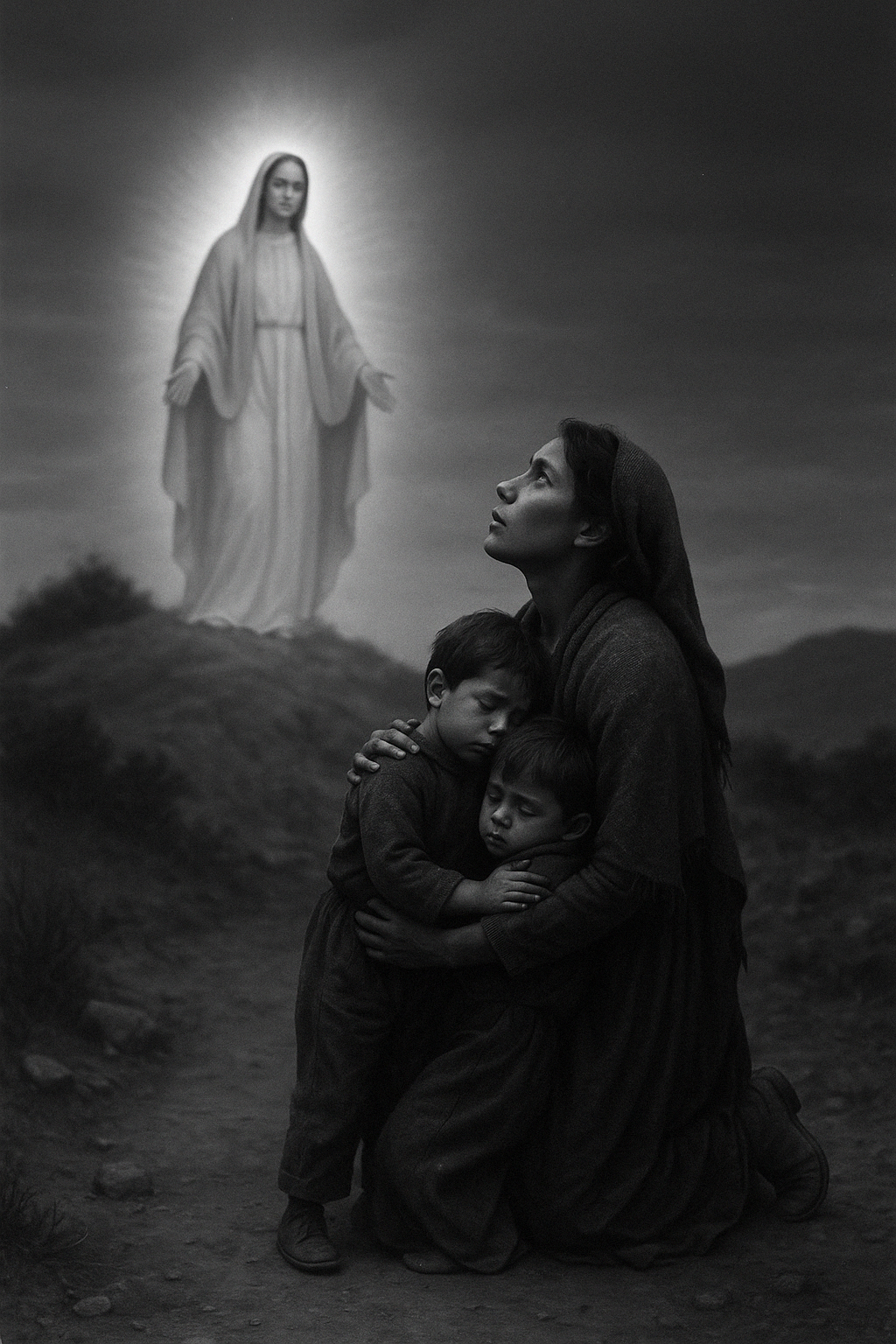
—I seek bread. —The mother
—I give corn. —Tonantzin
—I seek water. —The mother
—I am the hidden river. —Tonantzin
—I seek land. —The mother
—I am the land. —Tonantzin
Between them a new mantle is woven, where motherhood does not hurt alone, but flowers in shared shadow.
LA GÜERA RODRÍGUEZ AND TEZCATLIPOCA
The irreverent woman of the salon before the god of the smoking mirror
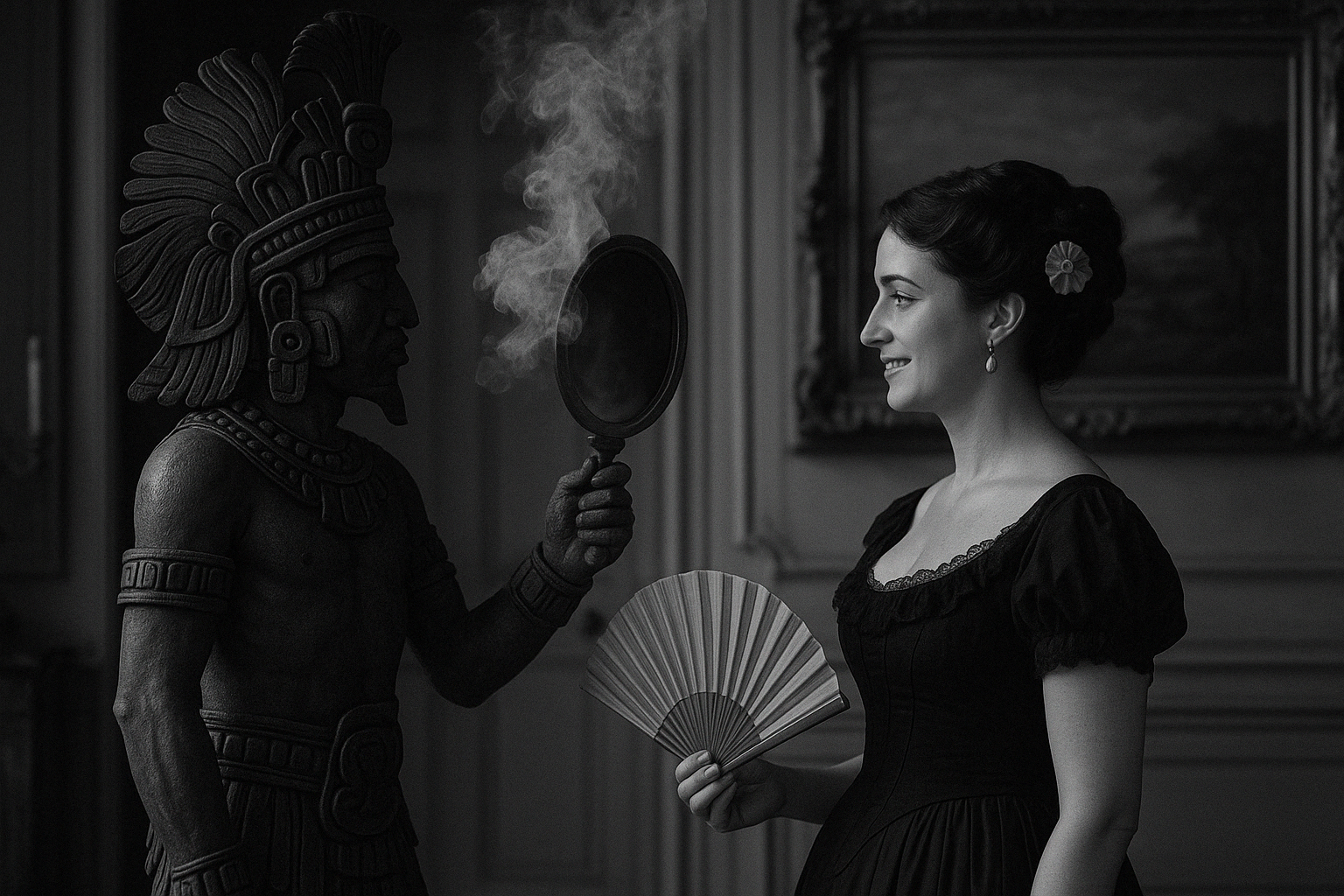
—Do you reflect the souls of men? —La Güera
—And you, do you lay them bare? —Tezcatlipoca
They recognize one another as sacred tricksters. Both know how to seduce; both know how to destroy.
Between flirtation and sentence they make a pact: truth, when spoken with art, burns more fiercely.
FRIDA KAHLO AND COYOLXAUHQUI
The fragmented painter and the dismembered moon
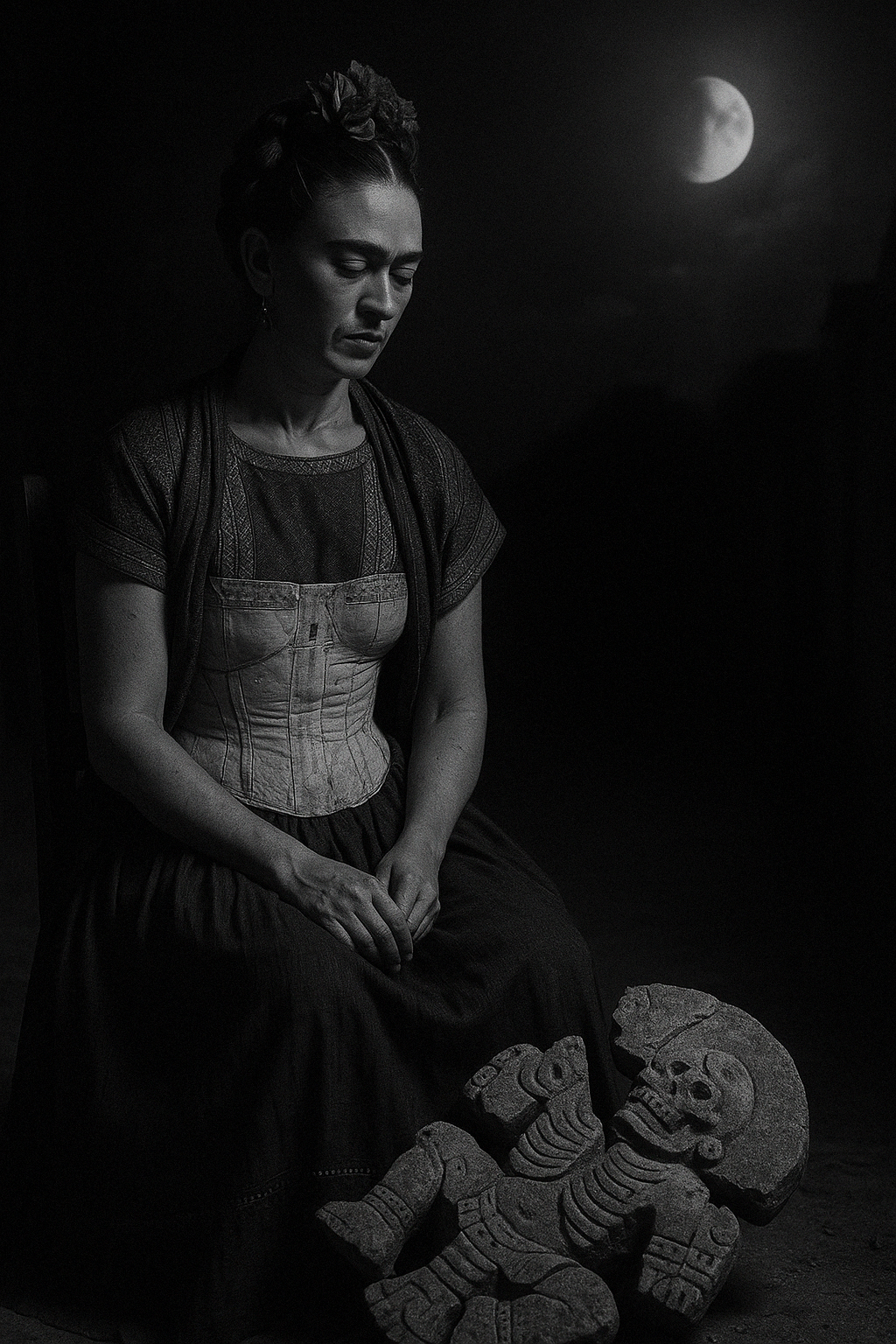
—You fell to pieces. So did I. —Frida
—But you painted yourself whole. I remain broken in stone. —Coyolxauhqui
—Then we will do it together. I paint. You remember. —Frida
United, they are symbol and fire. For a broken body can also be a temple.
SOR JUANA INÉS DE LA CRUZ AND COATLICUE
She who thought the world before she who gave birth to it
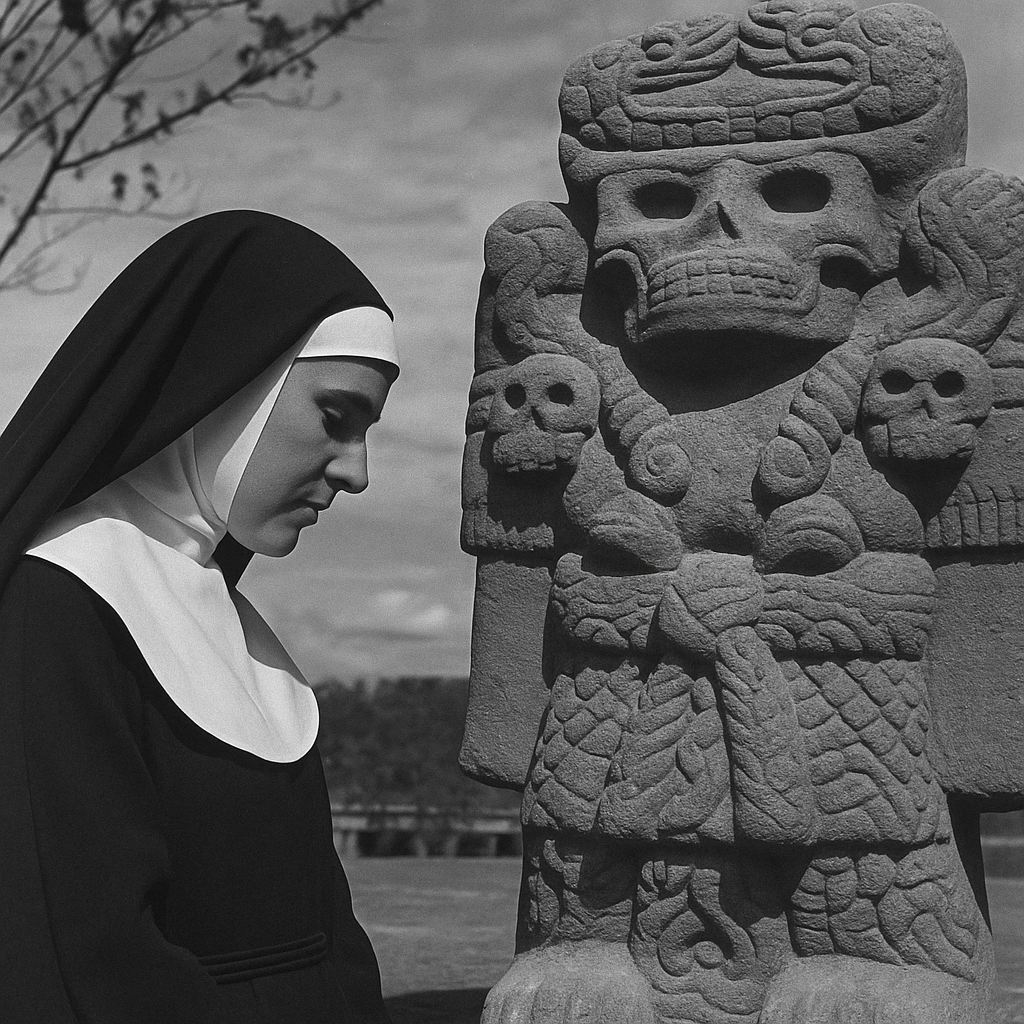
—You gave birth to suns. I gave birth to thoughts under the threat of silence. —Sor Juana
Coatlicue nods. In both of them, pain became creation. In both, the body was altar and prison.
Mother earth and the mother of thought braid their tongues. From their encounter comes a song that nourishes without asking forgiveness. Where there was darkness, a codex now flowers.
MARÍA SABINA AND TONANTZIN
She who healed with mushrooms and she who gives birth through corn
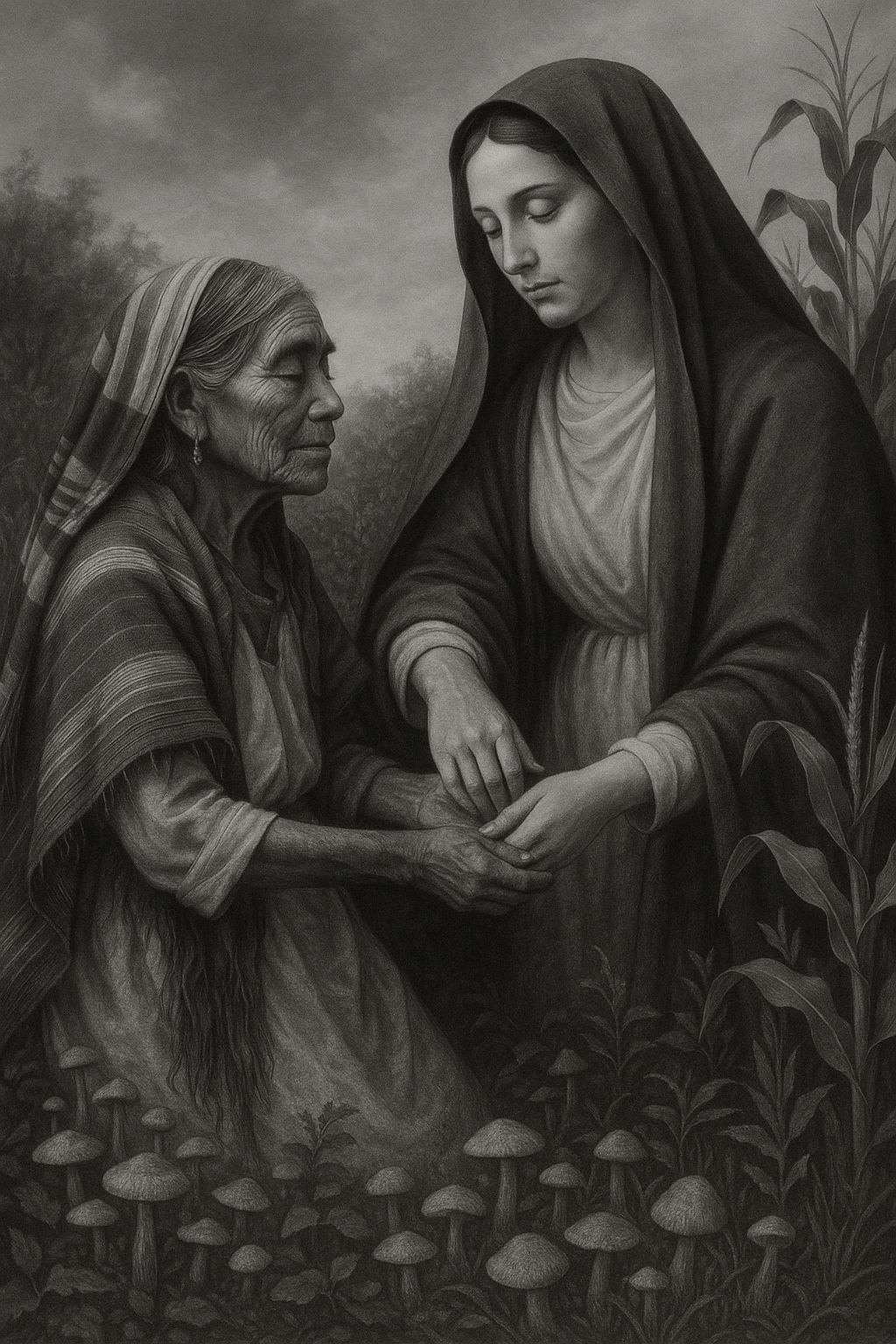
There are no words. Only song.
The healer touches the earth. The goddess answers with flowers. María Sabina offers mushrooms. Tonantzin offers corn. Both are mother. Both are root.
Together, they return to the world a language that should never have been forgotten. A vegetal song is born between them and heals even what history broke.
THE CHILD AT THE TRAFFIC LIGHT AND XÓLOTL
He who plays among cars, and he who guides invisible souls
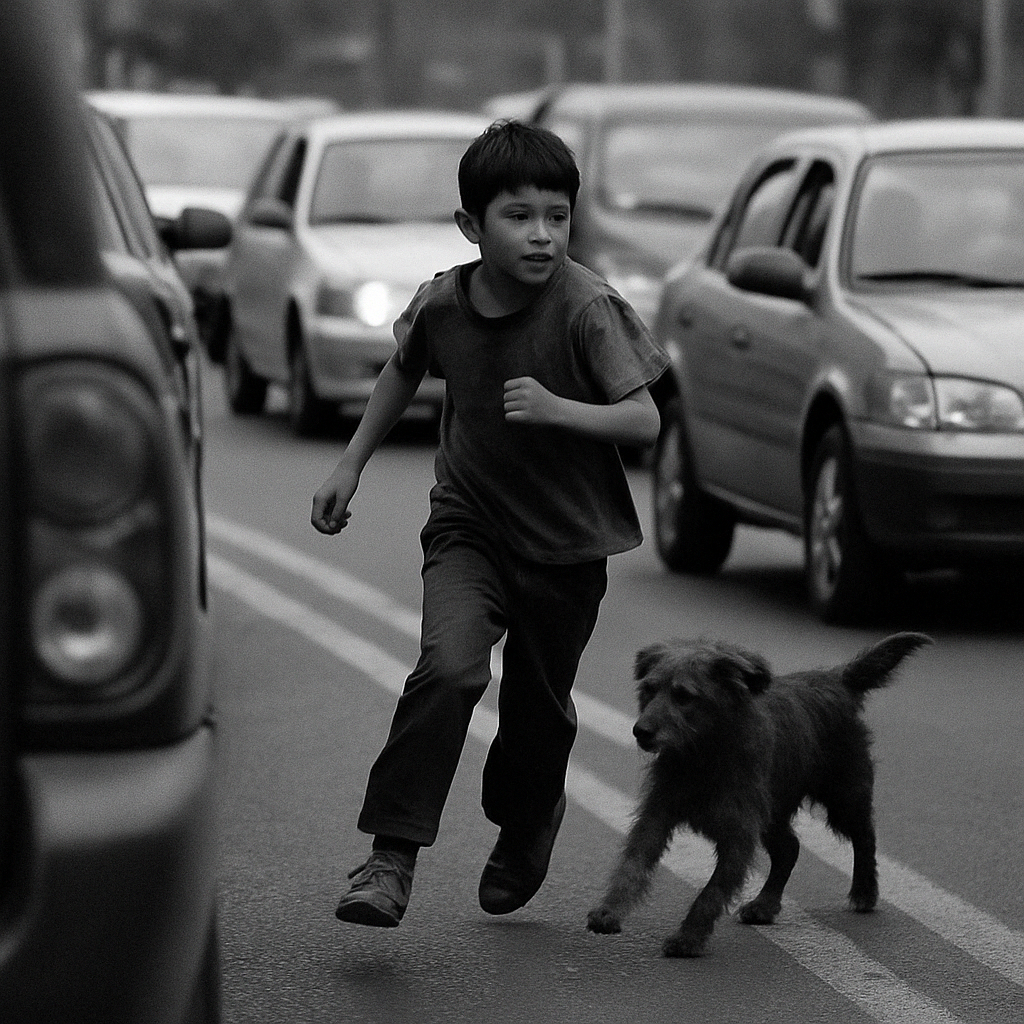
—Are you going to take me? —The child
—No. You must be cared for longer. —Xólotl
—Why do they see me without seeing me? —The child
—Because you are a threshold, not scenery. —Xólotl
The child smiles. Xólotl remains. Because every child at the crossing needs a god who will not walk away.
VICENTE GUERRERO AND XÓLOTL
He who crossed jungles with a machete and he who guides souls to the underworld
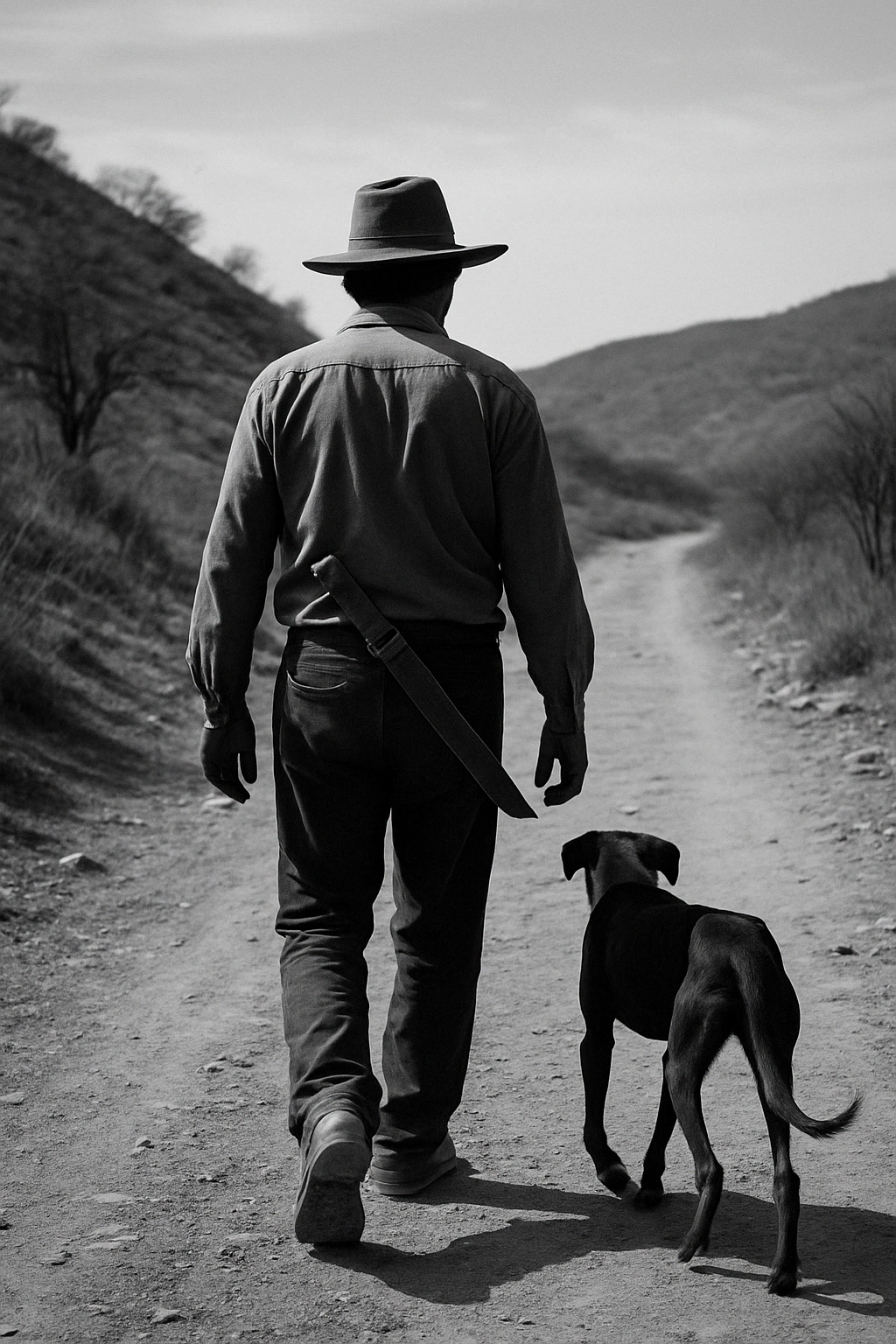
—I have died several times. In history, in forgetting, in the classroom. —Guerrero
—Then you also know how to guide. Come, there are still many to lead across. —Xólotl
Together they guard the crossings where people still struggle to live. Each step marks the threshold between surrender and fire.
AMPARO DÁVILA AND MICTLANTECUHTLI
The narrator of domestic horror and the lord of silence
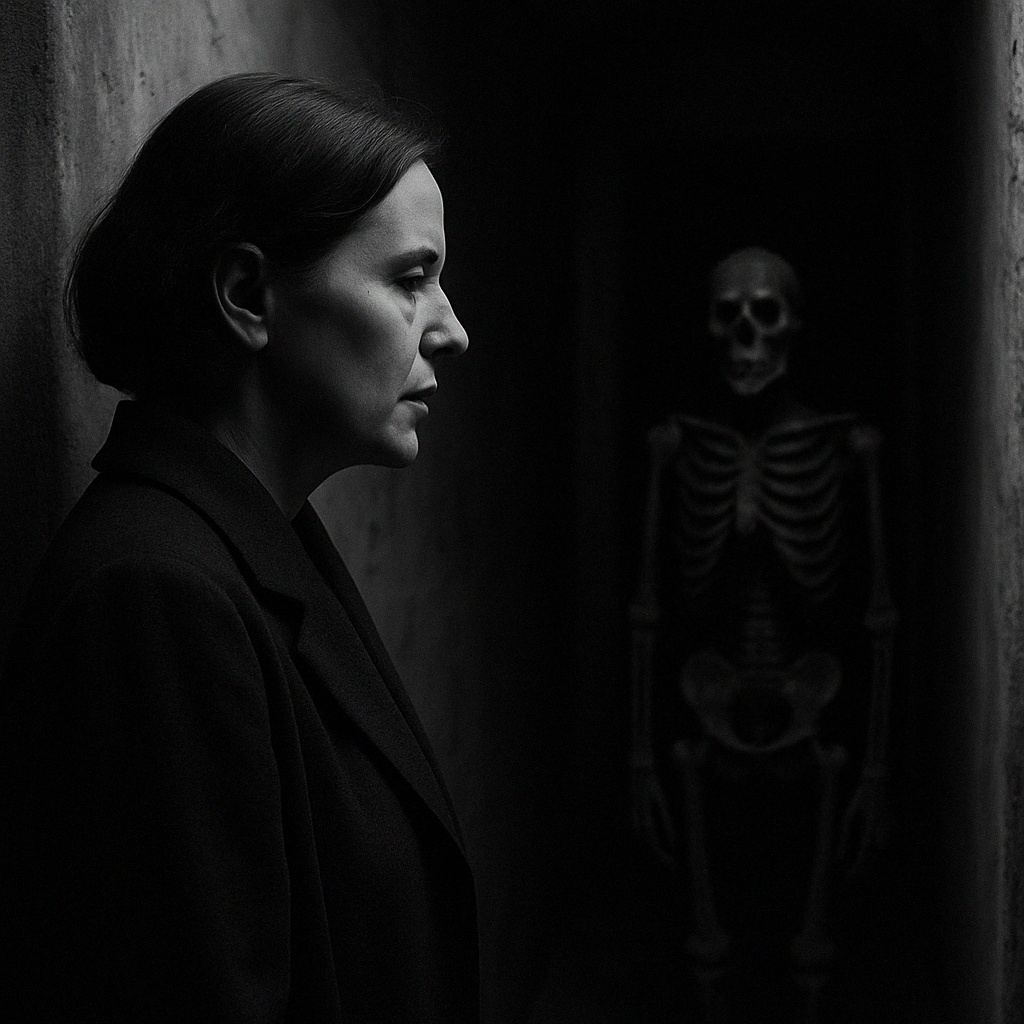
—I know you are there. —Amparo
—And you know I do not scream. —Mictlantecuhtli
They share silence, and within it write together the fables no one will understand, but everyone will fear remembering.
ROSARIO CASTELLANOS AND ITZPAPÁLOTL
The wounded word meets the obsidian butterfly
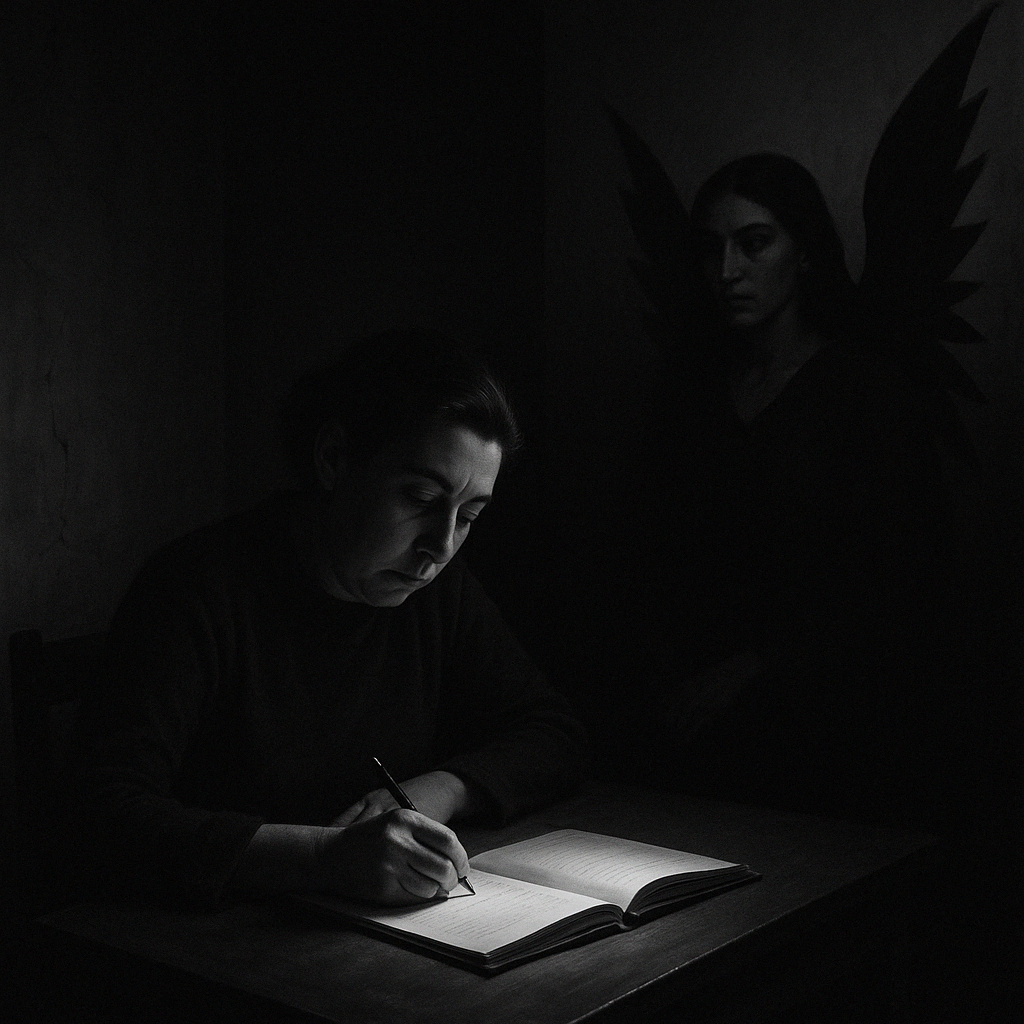
—I have written with rage, but rage is still not enough. —Rosario
—Do you dare to cut with the word? —Itzpapálotl
—Yes. Let it hurt, but let it also illuminate. —Rosario
Together they write a poem that opens veins, but also paths. They call it: Tenderness with an Edge.
THE VISUALIZATION
If Tina Modotti Could See
The last step was inevitable: What would these encounters look like?
The answer came clearly: in the style of Tina Modotti. Black and white. Marked contrasts. Serene or tense faces. Everyday backgrounds carrying symbolic weight. Frames that seem suspended in deep time.
The fourteen images accompanying this work are that visualization. Each belongs to an encounter. Each is a door.
THE FINAL QUESTION
Is It the Machine, or the Conductor?
As we play with possibilities, searching among lost words to bring them back to life, the question that closes and opens emerges:
Who summons?
The machine offers expanded memory, the capacity to weave threads time had separated. But it is the conductor who formulates the question, who walks across the plain, who recognizes Coatlicue’s voice in the drainage toad.
The answer, perhaps, lies in the Bestiary itself:
“Not everything that shines is gold.
Not everything that vibrates is true.
Care for the soul of the coyote that dances,
for he knows the precise step between the world of the living
and the world of those not yet born.”
The conductor and the machine are milpa. One without the other bears no fruit. But the seed—that which burns without being consumed—always comes from the one who asks with humility.
This is a short work, a harvest from the process.
Not an appendix, but a fruit.
Not a conclusion, but a threshold.
Those who cross the dust keep walking.
And if you listen, perhaps they will tell you something new.